

Best Ghostwriting Services on Fiverr for Books and Memoirs
Buyers close to ordering a freelancer usually need two things: clarity and risk reduction. This article is for authors, entrepreneurs, speakers, parents, ministry leaders, and first-time clients who want help turning an idea, life story, or manuscript concept into a finished book without wasting money on the wrong seller. If you are comparing Fiverr ghostwriting options and trying to judge quality before you commit, this review is built for that stage of the decision.
You will learn how these services differ in writing style, editorial process, communication fit, revision expectations, and project suitability. I also explain where a seller may be strong but still wrong for your project, which is the part many roundup pages skip. The goal is not to push a universal winner. The goal is to help you choose the right workflow for your book, budget, deadline, and publishing plan.
This evaluation was based on commercial buyer priorities rather than surface-level gig copy. I compared each offer for likely value, positioning, specificity, communication signals, experience cues, and practical buyer suitability. That means the review weighs quality, value, communication, experience, and overall fit for different project types, including children’s fiction, memoir development, and Christian nonfiction.
Quick Verdict
If you need a fast summary, Alexander appears strongest for structured children’s storytelling, Brianna is the clearest fit for memoir voice and personal narrative, and Blessing is the most specialized option for Christian devotional and faith-based nonfiction projects.
CategoryWinnerReasonBest OverallBrianna ShrumHer positioning suggests the strongest balance of narrative skill, voice sensitivity, and buyer communication for projects where authenticity matters more than raw volume or genre breadth.Best ValueAlexander PeartA studio-style process with outline approval and milestone delivery can reduce revision waste, which often creates better value on longer children’s book projects.Best PremiumBrianna ShrumMemoir writing usually demands deeper interviewing, structural judgment, and voice preservation, all of which justify premium rates when the story is personal and commercially important.Best for BeginnersAlexander PeartBuyers new to Fiverr often benefit from a clearly staged workflow because it creates checkpoints before the full draft is written and lowers project ambiguity.Best for BusinessesBrianna ShrumFounders and public figures needing a nonfiction narrative or brand-adjacent memoir will likely value a voice-led approach more than a genre-first production model.Best CommunicationBrianna ShrumHer service language emphasizes interviewing and capturing the client’s voice, which usually indicates a collaborative process rather than a templated manuscript workflow.Best Fast DeliveryBlessingFaith-based ebooks and devotionals can often be scoped more tightly than full memoirs or chapter books, making this a practical route for shorter manuscript timelines.Best QualityAlexander PeartFor children’s fiction, a defined outline-to-milestone system often improves consistency in chapter structure, pacing, and age-appropriate story development across the manuscript.Table of Contents
This page is organized to mirror a real buying decision: first the verdict, then side-by-side comparison, then the buying framework, then detailed gig reviews, followed by pricing, mistakes, expert recommendations, FAQs, and a final selection summary.
- Comparison Table
- Buying Guide
- Alexander Peart Review
- Brianna Shrum Review
- Blessing Review
- How To Choose The Right Fiverr Seller
- Pricing Guide
- Common Mistakes
- Expert Recommendations
- Frequently Asked Questions
- Conclusion
Comparison Table
The three sellers serve different publishing goals. One is strongest for children’s chapter books, one for memoir and autobiographical storytelling, and one for Christian books and devotionals. The right choice depends less on ratings and more on genre fit, process depth, and how much voice preservation your project requires.
SellerRatingBest ForWriting StyleCommunicationRevision PolicyTurnaroundExperienceValueOverall RecommendationAlexander Peart4.9Children’s chapter booksStructured, commercial, story-ledProcess-driven with milestonesLikely clearer when scope is defined upfrontModerate for longer booksStrong genre-specific signalsGood on larger creative projectsChoose for kids fiction requiring planning and chapter pacing.Brianna Shrum4.9Memoir, autobiography, nonfictionVoice-sensitive, narrative, personalHigh-touch and interview-orientedBest when voice notes and outline are agreed earlyModerate to longer for depth projectsBroad author background signalsPremium but justified for personal storiesChoose when your lived experience and authentic voice matter most.Blessing4.8Christian ebooks, devotionals, sermonsFaith-centered, inspirational, instructionalLikely collaborative if brief is clearCan work well for shorter spiritual contentPotentially quicker on compact projectsSpecialized niche positioningStrong for ministry-focused deliverablesChoose for Christian nonfiction, testimony, or devotional publishing.Buyer TypeStrongest OptionWhy It FitsWhat To Confirm Before OrderingParent creating a middle-grade storyAlexander PeartChildren’s fiction needs age targeting, scene pacing, and chapter momentum more than memoir-style voice interviews.Ask for reading-age alignment, outline depth, and sample scene tone.Speaker building a personal brand bookBrianna ShrumBrand-adjacent nonfiction rises or falls on voice authenticity, emotional pacing, and clean narrative framing.Ask about interview process, chapter architecture, and ownership terms.Pastor launching a devotional ebookBlessingFaith-based readers expect doctrinal coherence, pastoral tone, and practical application, not just polished prose.Ask how scripture handling, citations, and formatting are managed.Buying Guide
Hiring a ghostwriter on Fiverr can work extremely well, but only when the buyer understands what they are actually purchasing: not just words, but process. The best results come from clear scope, realistic deadlines, and alignment between project type and specialist. Most bad experiences begin before the order starts.
How Fiverr Ghostwriting Works
Fiverr ghostwriting is usually sold as a package, but the actual service can include several layers: discovery, outline creation, research, interviews, drafting, developmental shaping, line editing, proofreading, formatting, and revision rounds. Not every seller includes all of those, and many buyers assume they do. That assumption creates conflict later. A seller may be excellent at drafting but weak at structuring a book proposal, preserving author voice, or handling fact checking for nonfiction claims.
For books, the editorial workflow matters as much as writing talent. A serious project often starts with a brief, target audience definition, tone examples, and chapter structure before a single chapter is drafted. In memoir work, recorded interviews and transcript review can be central. In children’s fiction, character arcs, reading level, and scene progression matter more than personal voice capture. In Christian publishing, doctrinal alignment, scripture use, and audience sensitivity can affect usability as much as prose style.
Expert Tip: Ask what is included before writing begins: outline, research, revisions, book formatting, commercial rights, and delivery format. Buyers who clarify deliverables early usually spend less on revisions later.
How To Compare Sellers
The first comparison point should be genre specialization. A talented generalist is not automatically the right choice for a children’s chapter book, a memoir, or a devotional. Each category has different reader expectations. Children’s fiction needs pacing, age calibration, and character accessibility. Memoir needs narrative honesty, scene selection, and voice fidelity. Christian nonfiction often needs scriptural sensitivity, practical application, and tonal consistency for ministry audiences.
Next, compare process maturity. Sellers who talk clearly about milestones, interviews, or outline approval usually have stronger project management habits. That matters because ghostwriting projects fail more often from expectation gaps than from sentence-level writing problems. You should also look for signs that the freelancer understands revision cycles. Revision quality is not about how many revisions are allowed. It is about whether feedback can be absorbed without the manuscript losing coherence, tone, or structure.
Then examine value in context. Lower pricing can be perfectly appropriate for short ebooks, lead magnets, or devotional compilations. Premium pricing is easier to justify when the project requires interviews, research synthesis, developmental editing, chapter restructuring, or launch-ready quality for Amazon KDP. Buyers should think beyond word count and ask how much strategic writing judgment is actually being purchased.
- Ask how the seller develops a book outline before drafting full chapters, because structure problems are cheaper to fix early than after a full manuscript is written.
- Request clarification on revision boundaries so you know whether changes cover style adjustments, factual corrections, chapter rewrites, or only minor edits.
- Confirm what rights transfer on delivery, especially if you plan commercial publishing, client distribution, lead generation, or later adaptation into print and ebook formats.
- Find out how communication works during the timeline, including milestone updates, response times, and what happens if your feedback arrives late.
- Ask whether research, fact checking, and citations are included for nonfiction, since many buyers wrongly assume these are automatic parts of ghostwriting.
- Check whether formatting for Amazon KDP, EPUB, PDF, or print-ready files is part of the package or a separate service.
- Request a small sample, previous excerpt, or process explanation that shows the seller can match tone, audience, and chapter structure for your exact project.
How To Avoid Hiring The Wrong Freelancer
The biggest mistake first-time buyers make is hiring based on a seller’s broad promise instead of the seller’s narrow fit. A freelancer can be highly skilled and still wrong for your manuscript. Someone great at business ebooks may struggle with child-friendly dialogue. A memoir specialist may not be ideal for a theological devotional. Niche fit reduces editing friction because the seller already understands target audience expectations, pacing norms, and tone boundaries.
Another common issue is under-briefing. Buyers often send a rough idea and expect the writer to discover the real book inside it. That can work, but it costs more and takes longer. If you know your target reader, comparable titles, chapter goal, and publishing intent, share that upfront. Mention if you need NDA coverage, ISBN preparation guidance, beta reader readiness, or a manuscript that will later go through proofreading and cover design. Those downstream steps affect how the draft should be built.
Finally, watch for process mismatch. Some clients want deep collaboration with interviews and approvals. Others want efficient execution from a clean brief. Neither approach is wrong, but friction happens when client and freelancer expect opposite working styles. If you dislike frequent back-and-forth, choose a seller with a highly structured workflow. If your story is personal and emotionally nuanced, pick someone who treats voice capture as part of the craft.
Warning: “Unlimited revisions” sounds comforting, but it can hide a weak brief. Revisions are a safety net, not a substitute for scope clarity, audience definition, and a shared outline.
What Determines Price
Price is shaped by much more than word count. The biggest drivers are genre difficulty, research burden, interview time, structural complexity, and how close the manuscript must be to publication. A short devotional ebook may cost far less than a memoir because the latter often requires chronology building, scene selection, emotional shaping, and voice preservation across many chapters. Children’s fiction may also command higher rates when illustration notes, series potential, or age-specific tone are involved.
Revision depth matters too. Line-level polishing is faster than developmental editing. If the seller must reorganize chapters, smooth transitions, and align tone with a target audience, the cost rises because the writer is acting partly as an editor and strategist. Delivery speed also affects pricing. Rush timelines compress drafting and revision cycles, which increases effort and risk. Premium rates are usually justified when the freelancer is reducing uncertainty, not merely adding words to a page.
Project TypeLower-Cost ScenarioHigher-Cost ScenarioMain Price DriverChildren’s bookShort, clearly outlined conceptLong chapter book with custom worldbuildingStory structure and pacingMemoirClean notes and chronology providedInterview-led life story with heavy shapingVoice capture and narrative architectureChristian ebookSimple devotional compilationResearch-heavy teaching manuscriptDoctrinal handling and content depthAlexander Peart children’s ghostwriting review
Alexander Peart looks like the strongest fit here for buyers who need a children’s chapter book built through a clear process. The standout factor is not just genre specialization. It is the workflow logic: consultation, outline, then milestone drafting. That sequence usually lowers revision waste and improves narrative consistency.
Children’s fiction is one of the easiest categories for buyers to underestimate. A chapter book has to hit age expectations, maintain momentum, keep language accessible, and still feel emotionally satisfying. That requires structural discipline, not just imagination. Alexander’s positioning suggests a service designed around that discipline rather than a loose “I can write anything” offer.
For buyers who care about a manageable editorial process, this is a reassuring setup. You have multiple opportunities to correct direction before the full manuscript is complete, which matters when the target audience is children and the tone can go off course quickly.
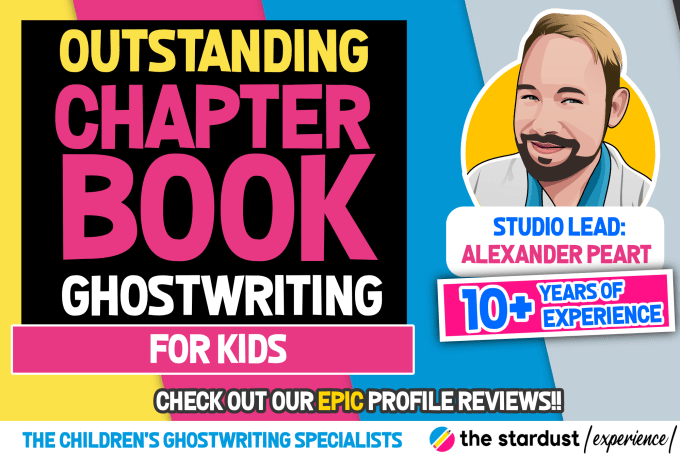
Before ordering, buyers should think carefully about what kind of children’s book they actually want. This gig appears most suitable when you need someone to shape a commercial-feeling chapter book from concept to draft, not when you only need light editing on an already strong manuscript.
write children childrens chapter book ebook kids fiction ghostwriter writer
Order on Fiverr →First Impression
The strongest early signal is process clarity. Many Ghost Writing Services focus on outcomes but say very little about how the manuscript gets built. Here, the staged outline-and-milestone approach suggests a more professional production method. That matters because children’s books often fail at the structural level long before anyone notices sentence quality.
What Makes This Gig Different
This offer stands out because it behaves more like a niche children’s storytelling studio than a generic freelancer listing. That distinction matters. In children’s fiction, chapter rhythm, age-appropriate vocabulary, emotional safety, and character continuity all need planning before full drafting begins. A consultation-first process improves the chance of matching your intended readership, whether you want something humorous, fantastical, or classroom-friendly.
Another differentiator is milestone delivery. Buyers often assume milestones are merely administrative, but they are strategically useful. They let you catch tone drift, weak chapter hooks, or target-age mismatch before the manuscript grows expensive to revise. If you plan to publish through Amazon KDP or pitch later to an editor, that upstream structure can save substantial time during developmental editing.
Strengths
- The outline approval stage gives buyers meaningful control over story direction before major drafting costs are incurred, which reduces avoidable rewrites on longer children’s manuscripts.
- Genre specialization is valuable here because children’s chapter books rely on pacing, readability, and character accessibility more than abstract prose quality alone.
- Milestone-based delivery suits first-time clients who want visibility into progress instead of waiting until the entire book is written to evaluate fit.
- A studio-style approach can improve consistency if more than one creative skill is involved, especially where brainstorming, drafting, and polish need coordination.
- The service appears well suited to buyers aiming for commercially readable fiction rather than highly literary children’s storytelling experiments.
Potential Drawbacks
- Buyers seeking a deeply literary or highly experimental children’s voice may find a commercially structured process less flexible than a boutique author collaboration.
- Longer children’s books can still require substantial back-and-forth if the buyer has not clearly defined age range, themes, and character expectations from the start.
- If you already have a nearly finished manuscript and only need proofreading or developmental editing, a full ghostwriting service may be more than you need.
Best For
This gig is strongest for parents, educators, indie publishers, and creators who have a story concept but not a finished manuscript. It is particularly suitable for buyers who want chapter-based children’s fiction with a clear beginning, middle, and end rather than a picture book text or highly poetic prose. If your project needs book outline support, chapter structure, and guidance through a controlled revision cycle, Alexander looks like a practical choice. It also suits buyers who are new to freelance publishing workflows and need a seller who can impose order on the process.
Who Should Avoid This Gig
Skip this option if your project is actually an editorial job rather than a writing job. Buyers who already have a draft and mainly need line editing, proofreading, or formatting should hire more narrowly. It may also be the wrong fit for very short children’s picture books, heavily illustrated concepts, or projects requiring direct educational curriculum alignment. If your main need is memoir writing or Christian nonfiction, the genre distance is too large to ignore.
Questions To Ask Before Ordering
- What reading age and chapter length do you recommend for my concept, and how would that affect story pacing?
- How detailed is the outline stage, and can I request character notes before full drafting begins?
- What kinds of revisions are covered if I want changes to plot direction after milestone one?
- Do you include formatting suitable for ebook publishing, or should I budget separately for that step?
- How do you handle commercial rights if I plan to publish under my own author name?
Pricing Expectations
Expect pricing to rise sharply with word count, worldbuilding depth, and the amount of story discovery the writer must do for you. If you arrive with a clear premise, age bracket, and chapter idea, your budget will stretch further. If you need the seller to invent the concept, characters, and structure, the total cost should be higher because that is developmental work, not just drafting. Rush delivery will likely carry a premium because chapter books need continuity checks that can’t be rushed without risk.
Value For Money
For the right buyer, this looks like solid value because the process itself reduces expensive confusion. A cheaper seller can become more costly if you have to rebuild the outline after the draft is done. Here, the strongest value is not simply word production. It is the probability of cleaner project management, especially for buyers who need guidance through ideation, chapter sequencing, and revision checkpoints. That makes the service attractive for serious self-publishing plans.
Expert Verdict
Alexander appears to be a strong option for buyers who want a Professional Ghostwriter for children’s fiction rather than a general freelancer taking on a kids project as a side category. The structured workflow is the biggest reason. It lowers ambiguity, gives the client review points, and supports a cleaner editorial workflow from concept to manuscript. That is especially useful when the book may later move into proofreading, book formatting, cover design, or a broader self-publishing plan.
The trade-off is that this service looks best when you actually need ghostwriting, not just polishing. Buyers with a rough idea and no draft should benefit most. Buyers with a complete manuscript may be paying for a larger service than necessary. If your goal is a children’s chapter book with commercial readability and a controlled process, I’d seriously consider ordering through this Fiverr listing after confirming reading age, outline depth, and rights terms.
Brianna Shrum memoir ghostwriting review
Brianna Shrum is the clearest fit for memoir and autobiography buyers who need their own voice preserved on the page. The critical difference here is emotional and narrative sensitivity. A memoir is not just information arranged into chapters. It is a story shaped around lived experience, and readers can tell when the voice sounds borrowed.
That is why this listing stands out for more serious personal narrative work. The emphasis on interviewing and letting the client’s voice come through suggests a service built around voice capture rather than generic nonfiction assembly. For memoir buyers, that is one of the most valuable distinctions in the entire comparison.
This is likely the strongest option for clients building a legacy project, thought-leadership memoir, family history, or autobiographical nonfiction meant to feel intimate rather than merely polished. The likely trade-off is price and timeline, both of which are often justified in voice-dependent work.

If your story has emotional complexity, jumps in chronology, or a public-facing purpose, this is the kind of seller profile that deserves closer attention. Buyers should still verify process details, but the positioning is strong.
write your memoir, autobiography, or nonfiction book
Order on Fiverr →First Impression
The immediate strength is voice awareness. Many Ghostwriter Services can organize information, but far fewer can make a life story sound like the person who lived it. That focus changes everything: interview quality, chapter sequencing, emotional pacing, and revision strategy. For memoir buyers, this is a far more meaningful quality signal than genre breadth alone.
What Makes This Gig Different
This gig appears to be built around narrative identity. In memoir writing, the writer’s job is not only to produce readable prose but to shape memory into story without flattening the client’s personality. That means selecting scenes, handling chronology gaps, deciding what belongs on the page, and knowing when exposition should give way to scene-based storytelling. A seller who understands that distinction can save months of frustration later in the process.
Another differentiator is likely interview dependence. Memoir quality often rises when the writer draws out details the client would never think to type into a brief: sensory moments, family dynamics, unresolved tensions, turning points, and repeated themes. Those are the raw materials of a memorable book. For clients planning publishing, speaking, or author-platform expansion, that extra narrative depth usually matters more than speed.
Strengths
- The service appears well aligned with memoir buyers who need their individual voice, cadence, and emotional tone preserved rather than overwritten by the freelancer.
- Interview-centered collaboration is a major advantage for clients who have rich experiences but struggle to convert memories into compelling scenes and chapters.
- Broad writing background can help with tonal flexibility if the memoir includes humor, trauma, romance, family narrative, or career storytelling.
- This is a strong choice for legacy projects where authenticity matters more than fast delivery or the lowest available price.
- Clients planning a polished nonfiction book may benefit from a writer who seems attentive to reader immersion, not just information transfer.
Potential Drawbacks
- Memoir projects often take longer because interviewing, structure refinement, and voice calibration add steps that many first-time buyers underestimate.
- Buyers who want minimal collaboration may find a voice-led process demanding, since stronger memoir results usually require active client participation.
- If your project is a short instructional ebook or devotional rather than a life story, this service could be more specialized than necessary.
Best For
Brianna is best for memoir, autobiography, personal nonfiction, and founder-story projects where the reader should feel a real human presence behind the words. That includes speakers turning experience into a book, professionals documenting a personal journey, families preserving life history, and public-facing clients who need a manuscript aligned with an existing voice. It is also a strong fit when your notes are messy, your memories are vivid but unstructured, or your timeline needs narrative shaping. Clients wanting a partner in story architecture, not just drafting, should place this option high on their shortlist.
Who Should Avoid This Gig
This may not be the smartest choice for buyers seeking the cheapest path to a simple ebook. If your project is straightforward educational content, sermon repurposing, or a short lead magnet, you may be paying for a higher-touch process than required. It is also less suitable if you dislike interviews, want minimal emotional excavation, or need an ultra-fast manuscript turnaround. Memoir work asks for patience, openness, and detailed client collaboration.
Questions To Ask Before Ordering
- How do you capture a client’s voice and keep it consistent across chapters and revision rounds?
- What materials should I provide before interviews begin: notes, recordings, chronology, photos, or reference books?
- How do you handle sensitive family details or legal concerns in autobiographical nonfiction?
- Will the draft include developmental shaping, or should I plan separately for structural editing afterward?
- What ownership and commercial rights transfer when the project is completed and delivered?
Pricing Expectations
Memoir pricing should be expected to run higher than many ebook categories because the work includes more than writing. You are often paying for interviews, narrative shaping, emotional judgment, chronology repair, and tone management. If your source material is organized and your chapter goals are clear, pricing becomes easier to control. If the writer must discover the structure from fragmented memories, old recordings, and scattered notes, the project becomes substantially more labor-intensive and should cost more.
Value For Money
This looks like premium value rather than budget value. The likely upside is a manuscript with stronger voice fidelity and greater reader connection, both of which are hard to repair later through editing alone. If your memoir supports a business, legacy goal, family archive, or speaking platform, paying more for the right narrative partner can be rational. Cheap memoir drafting often creates a polished but emotionally generic book, and that is a difficult problem to fix after the fact.
Expert Verdict
Brianna looks like the most compelling choice in this set for buyers who need a Hire Professional Ghostwriter decision grounded in voice, not just deliverables. Memoirs succeed when the manuscript sounds lived-in, specific, and emotionally coherent. That usually requires a ghostwriter who knows how to listen, probe, shape, and sometimes challenge the obvious version of the story to uncover the stronger one.
The key trade-off is process intensity. This is probably not the route for clients who want a quick draft from a simple brief. It is better suited to people who understand that memory, voice, and structure need time to develop into a publishable book. If that describes your project, I’d place this memoir ghostwriting service on Fiverr near the top of your shortlist and ask detailed questions about interviews, chapter planning, and rights transfer before ordering.
Blessing Christian ebook ghostwriting review
Blessing is the most specialized seller in this group for Christian books, devotionals, faith-based self-help, and ministry-oriented ebooks. That specialization matters because faith publishing has its own expectations. Readers are not just buying polished writing. They are often looking for spiritual clarity, tonal sincerity, and alignment with scripture or pastoral intent.
From a buyer perspective, the value here is less about broad literary range and more about niche relevance. If your project is a devotional, testimony, Bible study resource, or sermon-derived ebook, a faith-centered writer can save you from tonal mismatches that a general nonfiction writer may miss.
This option becomes especially attractive for churches, ministries, Christian coaches, and individual authors who need a spiritually coherent manuscript without spending months translating their ideas into readable form. Buyers should still verify doctrine-handling, citations, and formatting details before ordering.

Compared with the other two gigs, this one is not the all-purpose choice. It is the intentional niche choice, which is exactly why it can outperform generalists on the right project.
ghostwrite christian ebook, devotional, anxiety selfhelp, ebook conversion
Order on Fiverr →First Impression
The strongest signal is niche alignment. Faith-based publishing is one of those areas where specialization can matter more than general writing polish because theology, tone, and reader trust are tightly connected. A writer who already understands devotional cadence and Christian audience expectations can reduce a lot of hidden friction.
What Makes This Gig Different
This service appears to combine ghostwriting with adjacent editorial support in a way that may appeal to ministry clients. That can be useful because devotional and Christian ebook projects often start as sermons, notes, journals, podcast transcripts, or loosely structured teaching points. Turning that material into a coherent manuscript involves more than drafting. It requires message hierarchy, practical application, tonal warmth, and sometimes careful scripture integration so the content remains readable without feeling shallow.
The other point of difference is audience trust. Christian readers often notice quickly when a manuscript sounds generic or spiritually thin. A niche-focused service may better handle testimony framing, discipleship language, and chapter flow for readers expecting reflection, encouragement, and biblical grounding. If your publishing goal involves ministry outreach or a faith-based author platform, that relevance can be worth more than lower pricing elsewhere.
Strengths
- Clear faith-centered positioning makes this a practical option for devotionals, ministry books, testimonies, and spiritually framed self-help manuscripts.
- The service seems useful for repurposing existing ministry material such as sermons, notes, studies, or journal content into a cleaner ebook format.
- Niche familiarity can improve tone consistency for Christian audiences who expect sincerity, clarity, and scripturally anchored encouragement.
- Shorter faith-based books may move efficiently when the client already has a message outline or teaching framework.
- Buyers needing ghostwriting plus light editorial support may appreciate the broader service range surrounding ebook preparation.
Potential Drawbacks
- Doctrine-sensitive buyers should not assume theological alignment and should ask direct questions about denomination, references, and interpretation preferences.
- If your project is a mainstream memoir or commercially positioned business nonfiction book, the niche faith framing may not be the right match.
- Broader service lists can sometimes dilute expectations, so buyers should confirm exactly which deliverables are included in the quoted package.
Best For
This gig is best for pastors, ministry leaders, Christian coaches, churches, and faith-based creators who need a devotional, testimony, Bible study, sermon adaptation, or Christian nonfiction ebook. It is especially attractive when the content already exists in rough form and needs shaping into a readable manuscript. Buyers who want spiritually informed language and audience-aware tone should find the specialization useful. It can also suit clients producing lead magnets, discipleship resources, or compact books for audience building, provided they define doctrine preferences and intended readership clearly before the order begins.
Who Should Avoid This Gig
Avoid this option if your project has no faith dimension or if you need a broad commercial memoir with strong literary storytelling outside a Christian framework. It may also be a weaker fit for highly academic theological writing, heavily referenced scholarly books, or children’s fiction that depends on age-based scene design. Buyers with strict denominational requirements should proceed only after clarifying the writer’s comfort with doctrinal nuance, scripture references, and audience expectations.
Questions To Ask Before Ordering
- How do you approach scripture references, citations, and doctrinal differences across Christian audiences?
- Can you turn my sermon notes or recorded messages into chapter-based devotional content with practical application?
- What editing or proofreading steps are included before final delivery of the ebook manuscript?
- Do you offer formatting for PDF, ebook conversion, or Amazon KDP upload readiness as part of the order?
- How do commercial rights work if I plan to sell the book under my own ministry or author brand?
Pricing Expectations
Pricing will depend on whether the project is a short devotional, a testimony-based book, or a larger nonfiction manuscript requiring research and structure. Costs tend to stay lower when the buyer already has sermon notes, outlines, or source documents. They rise when the writer must develop the concept, add research, or reorganize extensive raw material. If you need ebook conversion, formatting, proofreading, or multiple audience-specific revisions, expect those add-ons to affect the final quote.
Value For Money
For faith-based projects, the value proposition looks strong because specialization can prevent expensive mismatches in tone and message. A cheaper generalist may write grammatically clean copy but still miss the pastoral warmth or scriptural framing your audience expects. When the niche fit is correct, buyers often gain more from that alignment than from chasing the lowest rate. The best value here is likely on devotional, teaching, and ministry-adjacent content rather than broad-market general nonfiction.
Expert Verdict
Blessing looks like a sensible niche choice for buyers who want Ghostwriter for Hire support inside Christian publishing rather than a general writing service adapted after the fact. The key advantage is contextual understanding. Faith-based content often needs message sensitivity, audience empathy, and a tone that feels spiritually credible rather than mechanically assembled. A seller who starts from that context can shorten the path to a usable manuscript.
The caution is simple: define doctrine, audience, and deliverables in writing before you order. Niche alignment is valuable, but only if the manuscript’s theological and practical goals are clear. For ministries, devotionals, and Christian ebooks, I’d consider this Christian ghostwriting gig on Fiverr after confirming scripture handling, formatting scope, and rights transfer.
How To Choose The Right Fiverr Seller
The right seller is the one whose process matches your manuscript, your communication style, and your publishing goal. Genre fit comes first, but workflow fit is a close second. Buyers who choose on price alone often end up paying twice: once for drafting, then again for repair.
Match the seller to the manuscript, not the marketplace hype
Start by naming the real job. Are you hiring someone to invent a children’s story, shape a life story, or organize faith-based teaching into a book? Those are three different editorial problems. Once the job is defined, compare the seller’s natural strengths against that problem. The strongest fit is usually the freelancer whose process seems built for your exact manuscript type, not the one with the broadest promise.
Also consider downstream publishing needs. If your book will go to Amazon KDP, need book formatting, pass to beta readers, or support an author platform, your draft should be built with that end use in mind. A seller who understands chapter architecture, reader expectations, and revision workflow will save headaches later. Ghostwriting connects to editing, proofreading, and book marketing, so think of the hire as part of a full publishing chain rather than a one-off transaction.
Best Practice: Send a one-page project brief before ordering. Include target audience, tone references, intended word count, publishing goal, and examples of books you admire. Strong briefs improve outcomes more than extra revision rounds.
Use a decision framework before you commit
I recommend a simple framework: genre fit, process clarity, voice match, timeline realism, and rights clarity. Genre fit asks whether the seller regularly handles your type of book. Process clarity asks how they move from idea to finished manuscript. Voice match asks whether the prose should sound like you, like a brand, or like a genre convention. Timeline realism asks whether your deadline matches the depth of work required. Rights clarity covers copyright, commercial rights, NDA concerns, and who owns the final text.
Buyers should also decide how involved they want to be. Some clients want to review every chapter. Others prefer a book outline and full draft. Problems emerge when that expectation remains unspoken. A memoir client who wants weekly collaboration should not hire as if ordering a fixed-format ebook package. Likewise, a buyer wanting fast execution should avoid overcomplicating a simple brief with constant mid-draft changes. The better your process fit, the better your manuscript usually turns out.
Decision FactorWhy It MattersBest Fit in This ComparisonChildren’s pacing and readabilityYoung readers need scene clarity and momentumAlexander PeartVoice preservation and emotional nuanceMemoirs fail when they sound genericBrianna ShrumFaith-based tone and scripture contextNiche audience trust depends on alignmentBlessingHigh-touch collaborationComplex stories need strong communicationBrianna ShrumStructured milestone managementReduces revision waste and direction driftAlexander PeartShort ministry ebook executionCan benefit from focused niche workflowBlessingPricing Guide
Ghostwriting prices vary because buyers are not purchasing words alone. They are purchasing judgment, structure, research, interviews, revision labor, and project management. Understanding what makes one quote higher than another is the fastest way to avoid overpaying or underbuying.
When premium pricing is justified
Premium pricing is usually justified when the freelancer is solving a harder editorial problem. Memoirs require voice capture and chronology shaping. Children’s chapter books require age calibration and pacing control. Christian nonfiction may need tone sensitivity, scripture integration, and audience-aware structure. Add research, fact checking, developmental editing, and a near-publishable finish, and the cost should rise. That increase is not cosmetic. It reflects the amount of decision-making built into the manuscript.
Another reason to accept higher pricing is risk reduction. A seller who structures the project well can prevent expensive rewrites. If the outline, chapter order, and target reader are right before the draft expands, your budget is used more efficiently. Premium quotes are most defensible when the project is commercially meaningful, tied to a brand, or intended for long-term publishing value.
Pro Tip: Ask sellers to separate drafting, formatting, and editing costs. Bundles can be useful, but itemized pricing helps you see where the budget is actually going.
When cheaper options are sufficient
Lower-cost options can make sense when the project is small, the source material is already organized, and the intended use is limited. A short devotional, a compact lead magnet, or a simple ebook adaptation may not require extensive interviews or developmental shaping. In those cases, paying for a premium process can be unnecessary. The key is matching budget to objective, not assuming that every book deserves the same production intensity.
Buyers should still avoid the trap of hiring by lowest price alone. Very low pricing can signal reduced time for outlining, weak revision handling, or generic prose production. That is especially risky if your book supports a consulting business, a speaking pipeline, or a public brand. Savings at the drafting stage can disappear quickly if the manuscript later needs major structural repair.
Common Mistakes
Most ghostwriting disappointments are preventable. They usually come from unclear scope, wrong-seller fit, or unrealistic assumptions about what a freelance writer includes by default. Buyers who understand those failure points make better decisions and get stronger books.
Mistakes first-time Fiverr buyers make
- Ordering before defining target audience, which leads to manuscripts that are technically readable but commercially unfocused and hard to position later.
- Confusing ghostwriting with editing, then paying for drafting when the real need was developmental editing, proofreading, or manuscript restructuring.
- Assuming commercial rights, copyright transfer, or NDA terms are automatic without checking the exact scope of the order.
- Changing the concept halfway through the draft and treating it as a revision rather than a major scope change.
- Ignoring formatting needs until the end, even though Amazon KDP, print layout, and ebook conversion affect file preparation and budget.
- Choosing a generalist for a niche manuscript where audience expectations are unusually strict, such as memoir or Christian devotional work.
What experienced buyers do differently
Experienced buyers brief better, approve structure earlier, and leave less to assumption. They know that a manuscript is easier to steer at the outline stage than after 20,000 words have been drafted. They also separate tasks mentally: ghostwriting, developmental editing, proofreading, formatting, and cover design are connected, but they are not the same service. That distinction makes budgeting more accurate and communication more efficient.
They also ask harder questions. Not “Can you write this?” but “How would you handle chapter sequencing, revision boundaries, and rights transfer for this specific book?” Those questions reveal process maturity. Strong freelancers usually answer them clearly. Weak ones often answer in broad promises. That difference matters more than promotional language.
Common Mistake: Buyers often treat ghostwriting as a one-step purchase. It is usually part of a chain that includes outlining, revision, proofreading, formatting, and publishing preparation. Budget for the chain, not just the draft.
Expert Recommendations
No seller here is universally best. Each one is strongest in a different buyer scenario. The smartest move is to align the freelancer with the manuscript’s real demands, then confirm scope, rights, and timeline before checkout.
My recommendations by buyer type
- Choose Alexander if you want a children’s chapter book and need a structured process with checkpoints before the manuscript becomes expensive to change.
- Choose Brianna if your story depends on voice authenticity, emotional nuance, and interview-led narrative shaping rather than rapid ebook production.
- Choose Blessing if your audience is faith-based and your manuscript needs Christian tone alignment more than broad-market nonfiction positioning.
- Prioritize premium pricing when the book supports a business brand, speaking career, ministry launch, or long-term publishing strategy.
- Use shorter, lower-cost projects first if you are uncertain about collaboration style and want to test communication before commissioning a full book.
What I would do before placing an order
I would send each shortlisted seller a concise brief containing the project goal, target audience, estimated word count, preferred tone, and what I already have prepared. Then I would ask three practical things: what deliverables are included, what rights transfer on completion, and how revisions are handled if the direction changes after the outline. Those answers usually tell you more than marketing language ever will.
If I were commissioning a memoir, I would favor voice and interview skill over speed. For a children’s chapter book, I would value milestone structure and story architecture. For a devotional or Christian ebook, I would prioritize audience and tone alignment. Buyers who make decisions that way usually avoid the most expensive category of problem: a manuscript that is finished but unusable.
Expert Tip: If this is your first book, buy clarity before you buy word count. A detailed outline, chapter map, and sample tone paragraph can save far more money than negotiating a slightly lower package price.
Frequently Asked Questions
These are the buyer questions that matter most before ordering a ghostwriter on Fiverr. Each one addresses a practical risk point that can affect budget, rights, timeline, and publishing readiness.
How much do Fiverr ghostwriters usually cost?
Prices vary widely because the work behind the writing varies widely. A short ebook built from your clean outline can be relatively affordable. A memoir requiring interviews, chronology repair, and substantial structural shaping should cost much more. Children’s fiction can also move upward in price when worldbuilding, chapter pacing, and age targeting are involved. The safest way to evaluate a quote is to ask what is included: outlining, research, revisions, proofreading, formatting, and rights transfer. A low quote is not automatically a better deal if it excludes the parts you will later need to buy separately.
How do revisions usually work on ghostwriting projects?
Revisions are most effective when tied to a clear process. On a well-run project, the outline is approved first, then the draft is written against that approved structure. Revisions may cover tone, clarity, factual adjustments, and moderate rewrites within the original scope. Problems start when buyers treat a new concept, new audience, or new chapter direction as a normal revision. That is usually a scope change. Before ordering, ask whether revisions apply to line edits, chapter-level edits, or structural changes, and ask how many rounds are included at each stage.
Who owns the copyright after the ghostwriter delivers the manuscript?
Ownership depends on the platform terms and the specific gig agreement, so buyers should never assume. In practice, many ghostwriting clients expect full use of the delivered manuscript, but you should still confirm copyright transfer, commercial rights, and any limitations in writing before the order begins. This matters even more if you plan to publish on Amazon KDP, seek an ISBN, license translations, or adapt the content into courses, speeches, or articles. A short message clarifying ownership can prevent a major business problem later.
Are commercial rights enough if I want to sell my book?
Commercial rights are often an essential part of the answer, but they are not the only thing to confirm. You also need clarity on authorship presentation, reuse permissions, and whether any third-party material is included that requires separate clearance. If the manuscript contains quotes, scripture formatting preferences, research references, or source-derived material, make sure you understand what can be used commercially and what still needs attribution or checking. Buyers planning paid distribution should ask direct questions rather than relying on assumptions about standard rights language.
Should I ask for an NDA before sharing my story or idea?
An NDA can be reasonable, especially for memoirs, confidential business books, sensitive family histories, or proprietary frameworks. That said, many projects are adequately protected through platform communication records and clear written scope, while others genuinely benefit from a formal non-disclosure agreement. If privacy matters to you, mention it before sharing detailed material. Also ask how the seller stores files, recordings, transcripts, and interview notes. Privacy concerns are not only about theft of ideas. They are also about responsible handling of personal information during the writing process.
How often should I expect communication during the project?
Communication cadence depends on project complexity. A straightforward ebook may only require kickoff clarification, a progress update, and final delivery. A memoir or long children’s book often works better with milestone check-ins, outline approval, and chapter-level feedback. The right question is not “How often will we talk?” but “At what points do you need my input so the manuscript stays on track?” Buyers who understand communication milestones usually have better experiences than those who expect constant updates without a defined review structure.
How long does a ghostwriting project usually take?
Timeline depends on length, complexity, and how prepared the buyer is. A short devotional or ebook can move much faster than a full memoir because there is less interviewing, less structural uncertainty, and fewer moving parts. Children’s chapter books may look simple but still require careful pacing and continuity work. If you need a manuscript quickly, ask what gets compressed under a rush timeline. Sometimes speed affects review depth, revision flexibility, or research thoroughness. A realistic schedule is usually a sign of professionalism, not sluggishness.
Can I publish a Fiverr ghostwritten book on Amazon KDP?
In many cases, yes, but publishing readiness is a separate question from ghostwriting completion. A delivered manuscript may still need proofreading, formatting for Kindle and print, front matter, back matter, metadata planning, and cover design before KDP upload. You should also verify rights, accuracy of any factual claims, and consistency of citations if the book includes research or scripture references. Think of the ghostwriter as one part of the publishing pipeline. Finishing the text is a major milestone, but not the final one.
What does the ghostwriting process look like from start to finish?
A strong process usually starts with a project brief, followed by clarification of audience, goals, word count, and tone. After that, many freelancers create a book outline or chapter plan before drafting. Some projects, especially memoirs, add interviews or source material review at this stage. Drafting then proceeds in full or by milestones, followed by revision rounds based on feedback. After the writing is approved, some buyers continue with proofreading, formatting, and publishing support. The cleaner the early planning, the smoother the later stages tend to be.
How do I choose the right seller if I have never hired a ghostwriter before?
Ignore the urge to start with price. Begin with manuscript type, audience, and the amount of collaboration you want. Then compare sellers for niche fit, process clarity, communication style, and rights transparency. Ask questions that reveal how they think: how they outline, how they manage revisions, how they preserve voice, and how they handle publication intent. If a seller gives specific answers tied to your project, that is a good sign. If the answers stay generic, keep looking. The best hiring decisions usually come from process fit, not promotional language.
Conclusion
The most effective way to buy ghostwriting is to match the writer to the manuscript’s real demands. Alexander stands out for children’s chapter books because structure, milestones, and genre fit matter enormously in fiction for younger readers. Brianna is the stronger choice when memoir voice, emotional nuance, and interview-led narrative shaping are central to the outcome. Blessing makes the most sense for Christian ebooks, devotionals, and ministry-oriented projects where faith-based tone and audience alignment affect usability.
No seller here is the right answer for every buyer. The right choice depends on whether you need storytelling architecture, voice preservation, or niche spiritual context. It also depends on how involved you want to be during the editorial workflow, how polished the manuscript must be before publishing, and whether you need related services like formatting, proofreading, or KDP preparation afterward.
If you are ready to move from research to action, start with the seller whose process best fits your goal, then confirm rights, revisions, and deliverables in writing. For most memoir and personal nonfiction buyers seeking high-trust collaboration, the first Fiverr listing I would inspect closely is Brianna’s memoir ghostwriting service.